

Building Something That Would Last
Adam and Jerusha Shulberg reflect on a defining chapter of service in Western Nepal.
“The goal was to build something that would be lasting.”
For Adam and Jerusha Shulberg, being of service is not something separate from their work in hearing care. It is part of the reason they chose the work in the first place.
In 2001, Adam travelled to Western Nepal to help establish an audiology service in a remote, severely underserved region of around one million people.
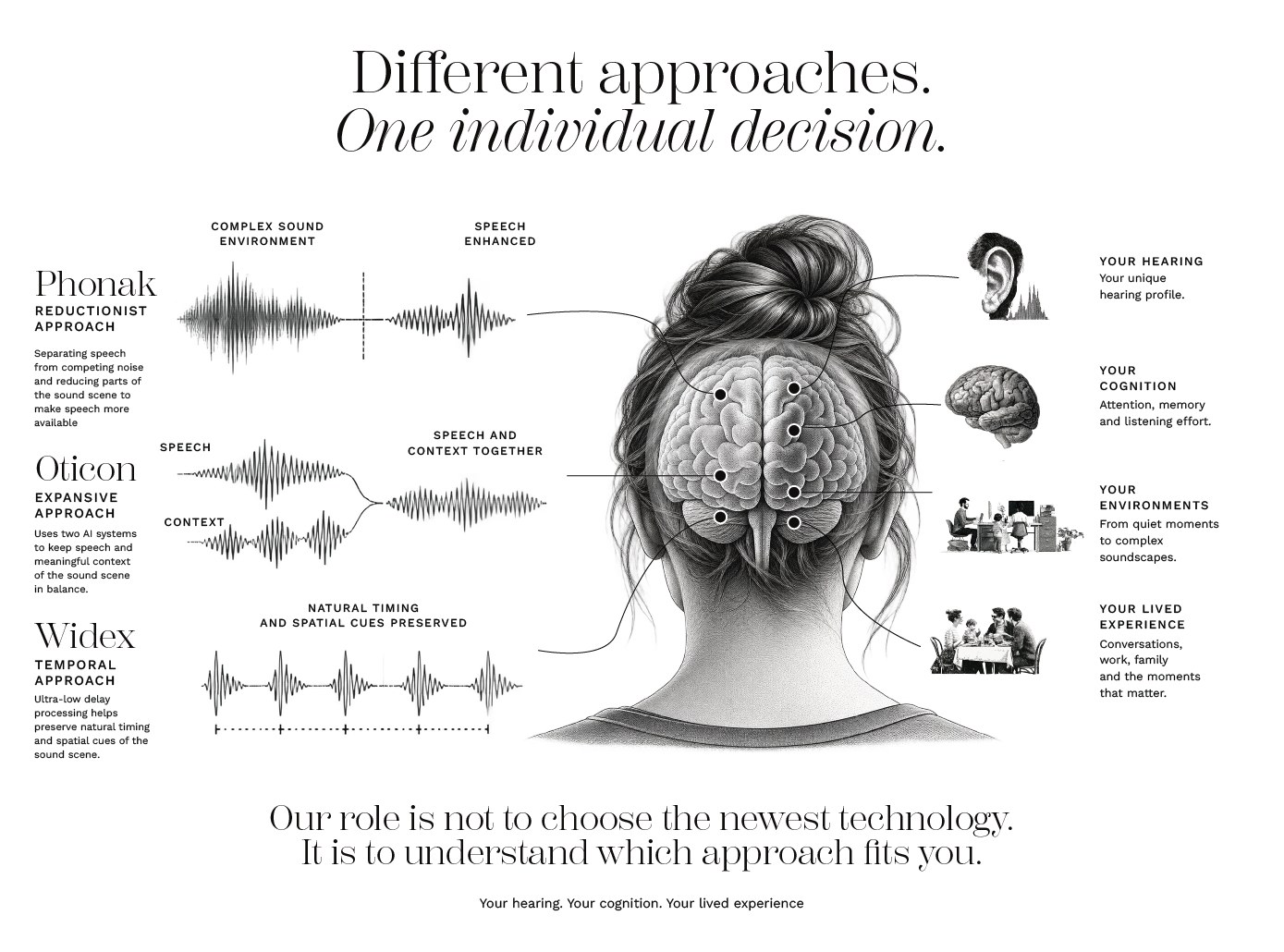
AI Is Teaching Hearing Science to Think Differently
Artificial intelligence is often discussed as a feature of the latest hearing technology - there’s been a lot of talk about this recently.
But its more important role begins much earlier, in the hearing science research itself.
AI is allowing hearing scientists to analyse extraordinarily complex information: millions of sound samples, patterns of head and eye movement, physiological responses, brain activity and data gathered from listening experiences in the real world.
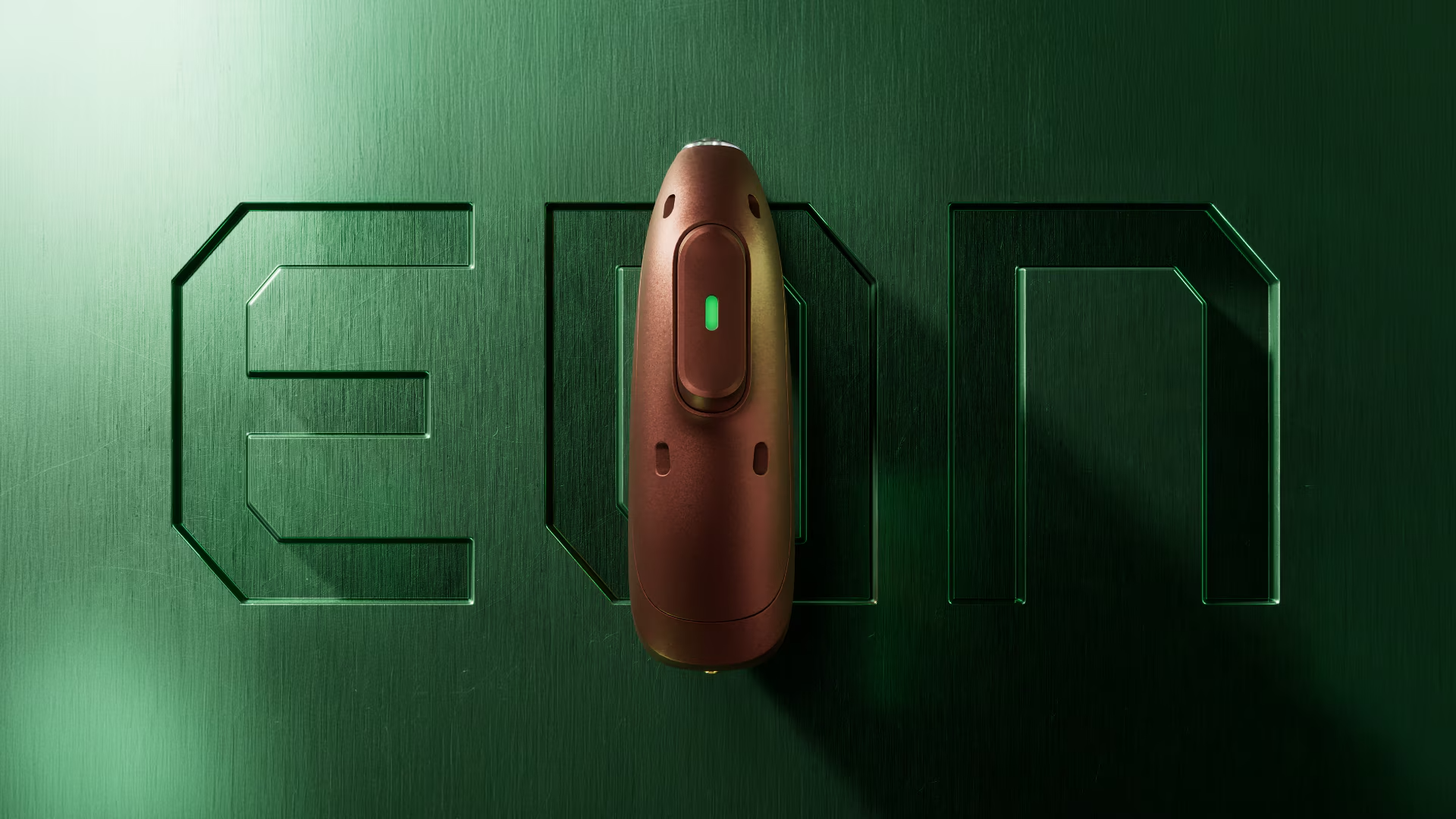
NEW PHONAK EON | A new generation of AI hearing technology.
Phonak has just introduced EON, its newest generation of hearing technology - designed around one of the most persistent challenges in hearing:
Following conversation when listening becomes complex.
In real life, noise rarely stays still.
People move. Conversations grow. Someone joins the table. Background noise rises and falls. You move from one listening environment into another.
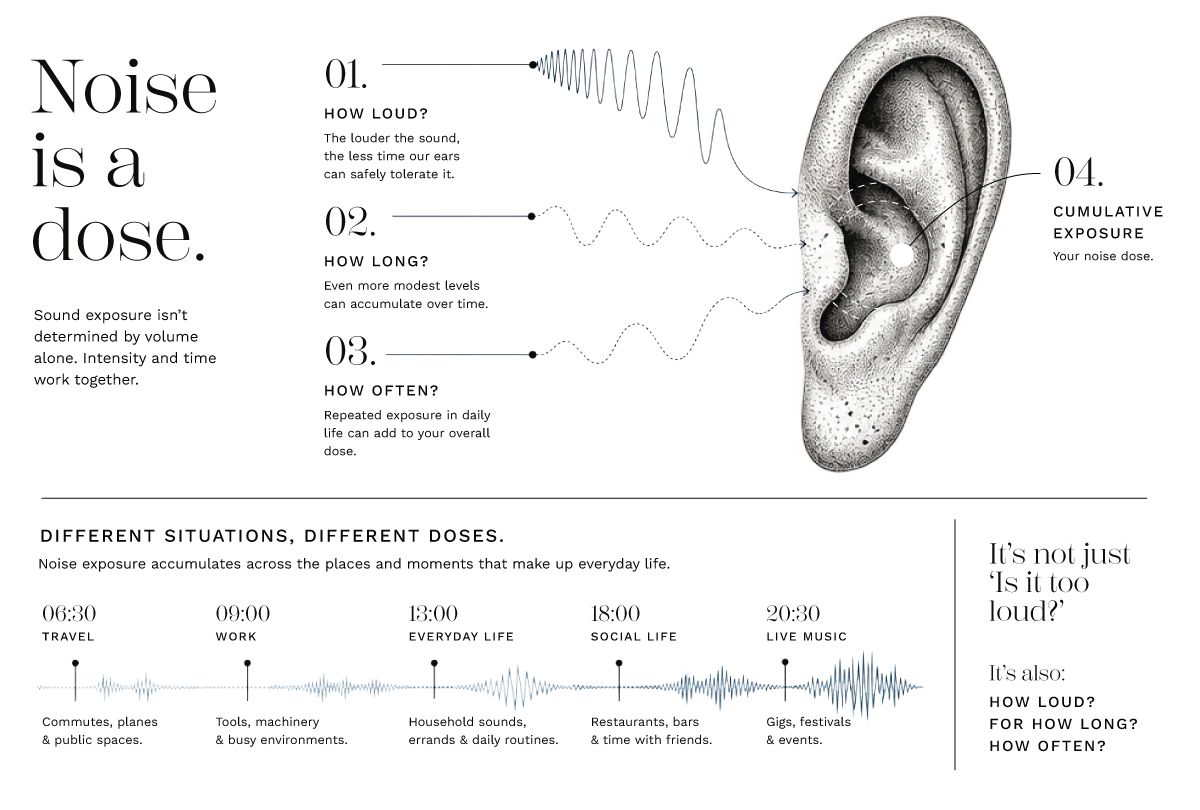
Turn down the noise, not the world.
We often think about hearing protection in surprisingly simple terms: the more sound we block, the better protected we are.
But hearing preservation is more intelligent than that.

Oticon Reveal: The first in Dual AI hearing - designed to go far beyond speech.
Oticon has launched Reveal™, the world’s first hearing aid powered by Dual AI.
This marks a significant shift in the way AI is used in hearing technology: not only to make speech clearer, but also to give you the meaningful contextual sounds that help the brain make sense of any listening situation.
For years, hearing-aid development has understandably focused on the problem most people describe first: “I can hear that someone is talking, but I cannot make out the words.”
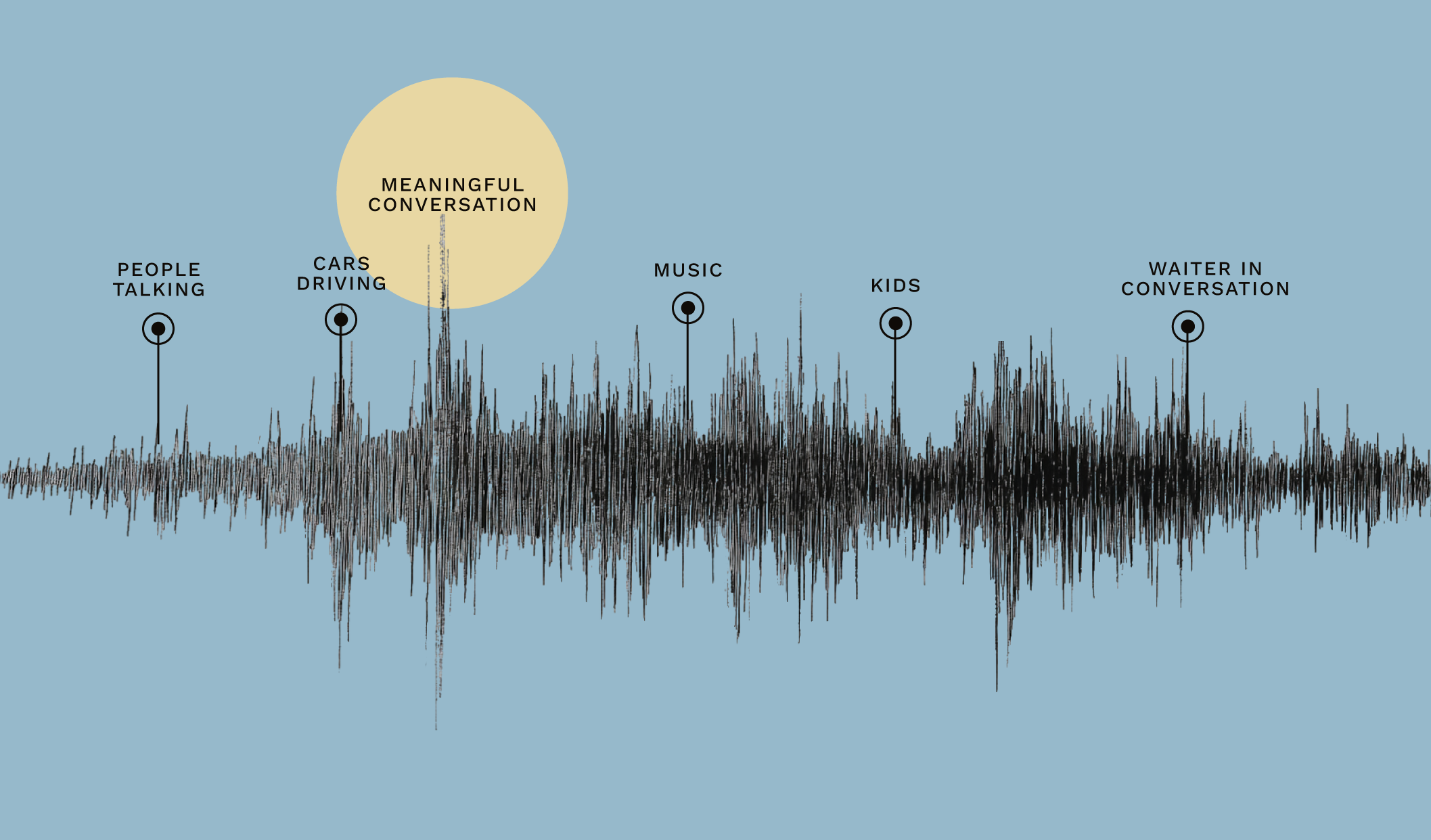
Every Conversation Is a Complex Soundscape.
Conversation rarely happens in silence.
Whether you’re in a restaurant, walking through a busy street or engaged with people, speech is accompanied by countless other sounds arriving at your ears at exactly the same moment.
For the listening brain, the challenge isn’t simply hearing sound.
It’s identifying which sounds matter most.
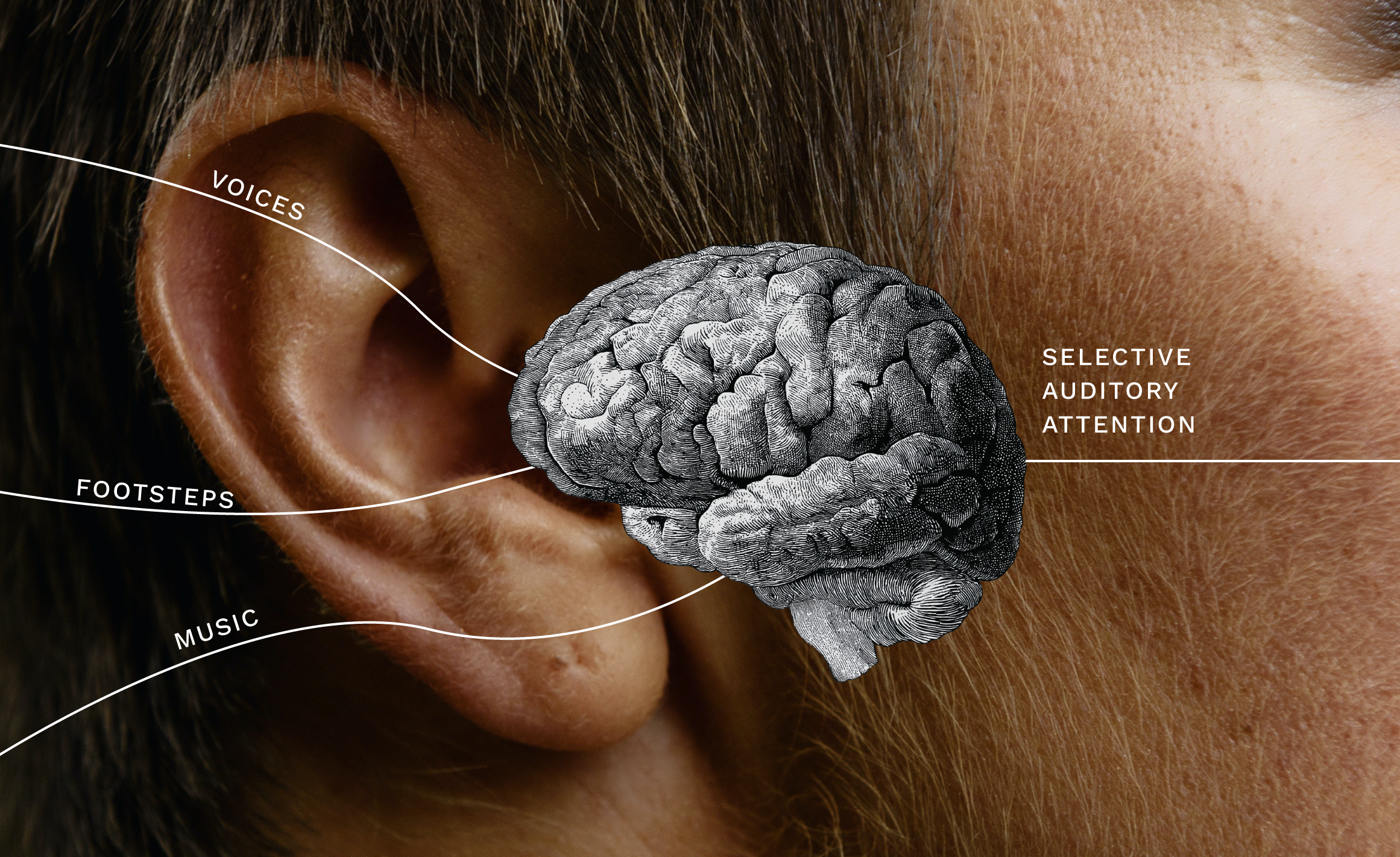
Your Ears Detect Sound. Your Brain Decides What Matters.
THE SCIENCE OF BETTER HEARING
For decades, hearing science focused primarily on the ear.
Today, researchers are increasingly turning their attention to something equally important: the listening brain.
Every second, your auditory system receives an extraordinary amount of information. Voices, footsteps, music, traffic, ventilation systems and countless other sounds arrive simultaneously.
Should Hearing Checks Become Part of Routine Healthcare?
Should hearing assessments become as routine as checking your blood pressure or having an eye examination?
They’re just as important as other health checks which most people routinely do.