
Listening Fatigue + Listening Stress.
THE SCIENCE OF BETTER HEARING
We've spoken about listening fatigue for years. Now science is helping us understand it even better.
If you've been with The Well Being BY CUBEX for a while, you'll know this. Long before it entered everyday conversation, research had already shown that listening can be mentally demanding. But it was our patients who described it first, and most vividly:
"Restaurants leave me completely drained."
"I can hear people, but it takes so much concentration."
Those conversations have shaped our approach to hearing care for years. Now, hearing science has taken another great step forward, and it's opened up a new area of research: listening stress.
Listening effort and listening stress sound similar, but they're not the same thing.
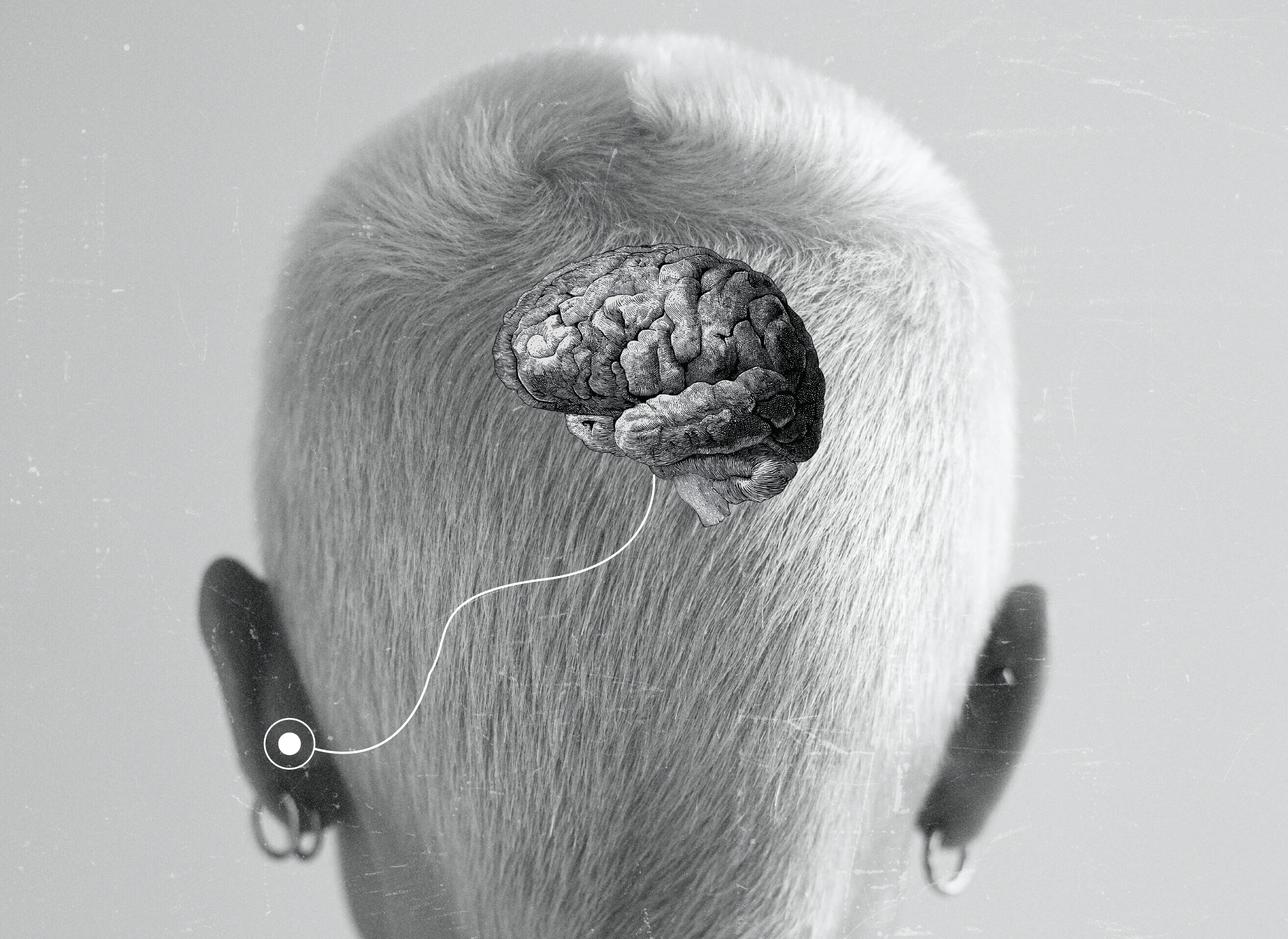
IN SHORT:
Listening effort is the mental work your brain performs to understand speech.
Listening stress is the body’s physiological response to sustaining that workload over time.
Researchers can now measure both, not just how hard the brain works to follow a conversation, but how the body responds to doing it hour after hour. It's a significant shift.
Rather than relying only on how people describe their listening experience, researchers can now measure the physiological effects of prolonged listening, and test whether modern hearing technology can reduce them.
That's what makes this new shift exciting: for the first time, research has shown that certain kinds of modern hearing technology can reduce both.
Oticon Intent™ is one of the first technologies to demonstrate this. Recent clinical studies found significant reductions in sustained listening effort and listening stress among Oticon Intent™ users, making listening feel easier and less demanding throughout the day.
For us, this isn't exciting simply because it's new. It validates something we've always believed, and witnessed in our patients, for years: hearing was never just about making sound louder. It's about understanding how people listen, how the brain makes sense of sound, and how we can lighten the load required to stay connected to the people and moments that matter.
This is just the beginning.
Over the coming months, we'll share the most significant developments and new knowledge from the world's leading hearing research centres, and what they mean not just for the future of hearing technology, but for the future of your hearing care.
Because what's next isn't just the next hearing aid. It's a deeper understanding of how we hear, how we listen, and how science can help us stay connected to what matters most.
