
When listening becomes difficult, the obvious solution can seem to be to remove everything except the sound we want.
But attention may not work quite so simply.
To focus on one sound, the brain also needs information about what that sound is different from.
THE SORROUNDING SOUND ENVIVORENMENT HELPS ESTABLISH CONTRAST.
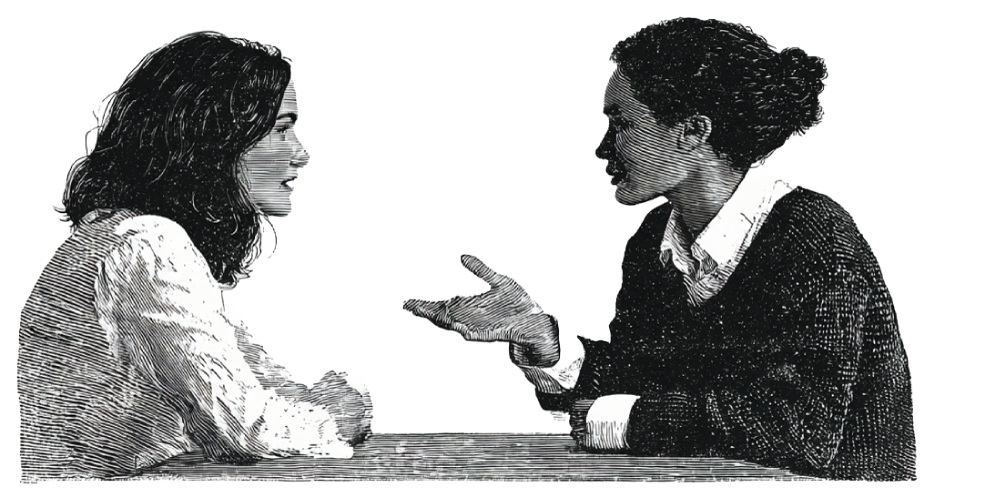
Where is the voice coming from?
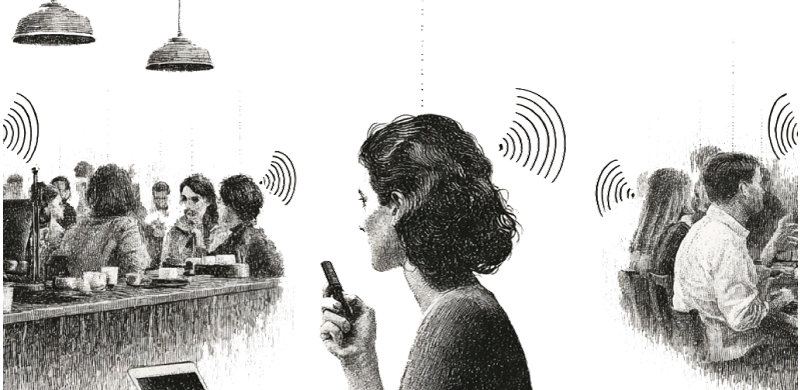
What else is happening?

Has another speaker entered the conversation?

Did something important just happen behind you?
Context can help the brain organise the soundscape and determine where attention should be directed. That means surrounding sound is not always the enemy of focus.
Sometimes it helps create it. And this question is beginning to extend beyond hearing loss.
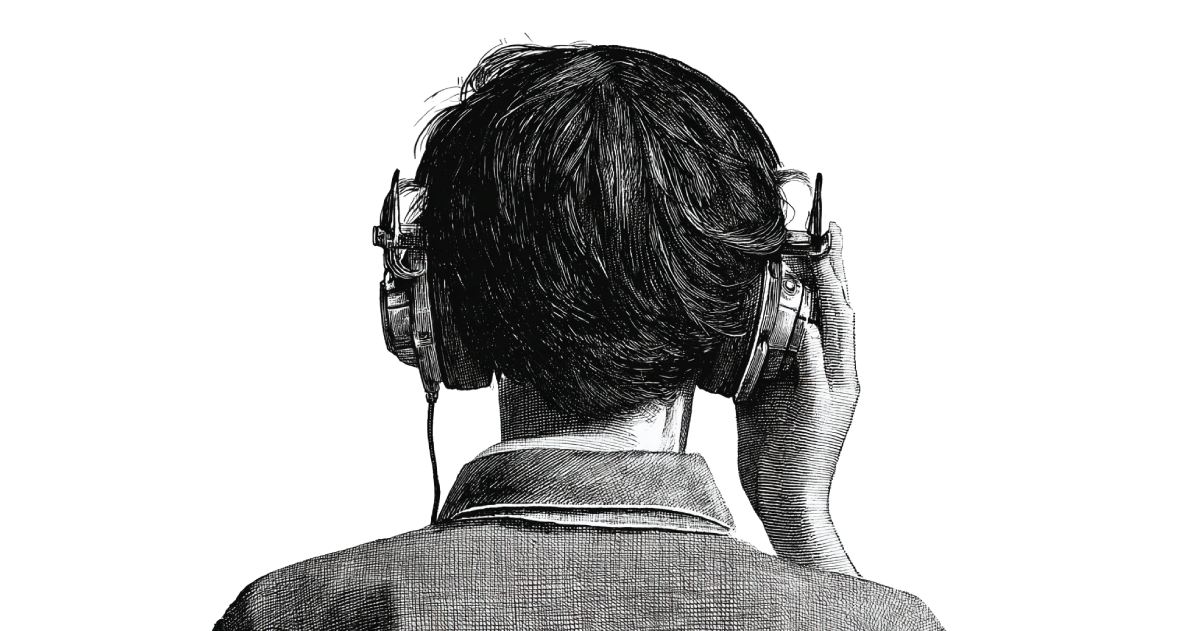
At a recent hearing-science seminar, Thomas Behrens, Vice President of Audiology and Research at Oticon, drew on research emerging from Oticon’s wider cognitive-hearing-science work, including Eriksholm Research Centre, to raise an intriguing question: what happens when people with normal hearing lose access to environmental context for extended periods through noise-cancelling headsets?
He described research comparing a group of younger adults, roughly aged 18 to 30, with a group aged 50 and over in a typical office listening environment.
Ordinarily, we might expect the younger group to perform better. As Thomas explained, some of the brain’s decoding and processing abilities can become more challenged as we get older.
But the researchers found the opposite.
The 50-plus group performed better than the younger adults.

Researchers linked that unexpected finding to the younger group having had less opportunity to train the selective-attention skills needed to operate within a complex listening environment, and to reduced exposure to the full stimulation of real-world sound.
The point was that the brain needs opportunities to practise listening in complexity.
The concern is not that noise cancellation is inherently harmful.
The more interesting scientific question is what happens when the brain repeatedly receives a reduced version of the real-world soundscape it ordinarily has to organise.
The brain develops and maintains its ability to make sense of complex sound through exposure to real-world auditory environments.
Context helps it separate sounds, establish what belongs together and determine what deserves attention.
And when the brain has access to fuller information, meaning can be created more rapidly and with less effort.
Researchers are therefore beginning to ask whether prolonged and repeated removal of that context could alter the demands placed on those listening processes.
For now, this remains an emerging area rather than a settled conclusion.
There is not sufficient evidence that ordinary use of noise-cancelling headphones damages auditory processing.
But the question itself is revealing.
Even in people with normal hearing, reducing more sound is not automatically the same thing as giving the brain better information.
This is one reason hearing science has begun to question purely reductionist approaches to sound processing.
THE MOST SOPHISTICATED GOAL MAY NOT BE:
How much background sound can we remove?
IT MAY BE:
How much information does the brain need in order to focus effectively?
That distinction matters. Because listening well is not about living in an acoustically empty world.
It is about being able to find what matters within a complex one.
Explore how your hearing, attention and real-world listening come together in modern hearing technology. Discover which of the latest innovations in hearing aid technology may be appropriate for your hearing health.
